 qaradmin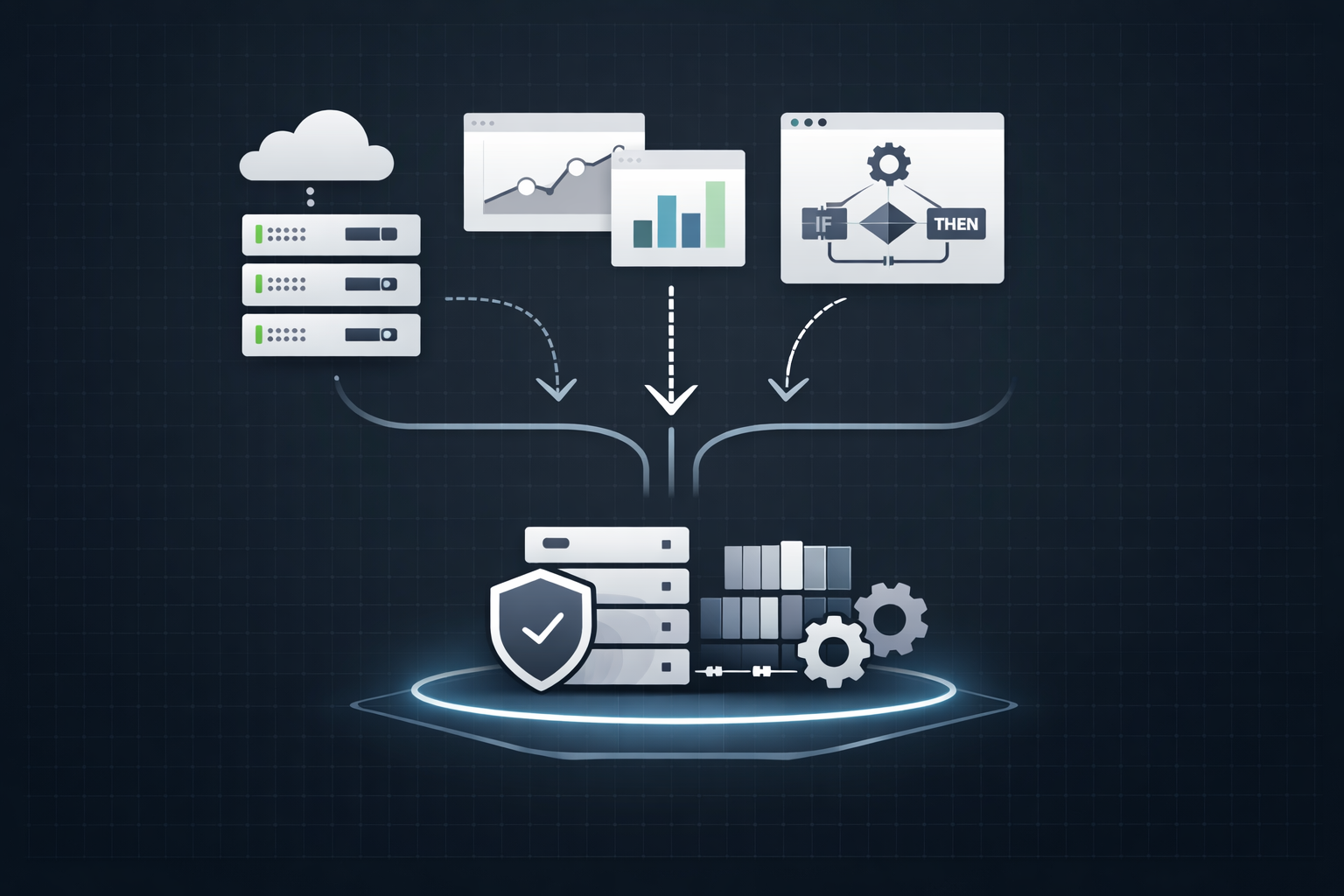
Cloud cost visibility has improved significantly over the last few years. Dashboards are everywhere. Every cloud provider has one, and every cost management tool promises better charts, cleaner graphs, and smarter alerts.
Yet cloud bills keep increasing.
For engineers, this creates a familiar frustration: we can see the cost, but we still can’t control it. In many organizations, FinOps stops at visualization, while the real cost drivers live deeper inside infrastructure, architecture, and engineering workflows.
This article explores what FinOps actually means for engineers—and why dashboards alone are not enough.
Why Dashboards Don’t Fix Cloud Costs
Dashboards are good at answering what is happening, not why.
An engineer looking at a cost dashboard usually sees:
- A sudden spike in spend
- A cloud service name (EC2, RDS, S3, etc.)
- A dollar amount
What they usually don’t see:
- Which deployment caused the increase
- Which configuration change introduced the problem
- Whether the cost is temporary, structural, or accidental
- Who actually owns the resource
By the time a dashboard highlights a problem, the cost has already been incurred. FinOps becomes reactive instead of preventive.
Engineers Don’t Think in Dollars — They Think in Systems
One of the biggest mistakes in FinOps adoption is assuming engineers need to “care more about cost.”
Most engineers already care. They just don’t think in abstract financial numbers.
Engineers think in:
- CPU utilization
- Memory pressure
- Network throughput
- Latency and error rates
- Scaling behavior
- Failure modes
Effective FinOps for engineers translates cost into system behavior.
Instead of saying:
“This service costs $4,200 this month”
Say:
“This auto-scaling policy is provisioning three times more capacity than needed during off-peak hours”
That’s a problem an engineer can understand—and fix.
FinOps Starts at Architecture, Not Finance
Real cost decisions happen long before the monthly bill is generated.
They happen when engineers:
- Choose synchronous over asynchronous workflows
- Overuse managed services without understanding scaling behavior
- Design chatty microservices
- Treat non-production environments like production
- Leave resources running indefinitely
None of these issues are visible in dashboards alone.
FinOps for engineers connects architecture decisions to long-term cost behavior, not just monthly reports.
Shift FinOps Left Into CI/CD and Deployments
The most effective FinOps practices don’t wait for end-of-month reviews.
They integrate cost awareness directly into engineering workflows:
- Cost impact visibility during pull requests
- Guardrails during infrastructure changes
- Alerts tied to deployments, not just budget thresholds
- Clear separation and ownership of environments
When a deployment increases cloud cost, engineers should know immediately—not weeks later.
This is the same shift-left approach that transformed security and testing. FinOps needs the same evolution.
Ownership Is the Missing Layer
Dashboards fail when ownership is unclear.
When everyone owns cloud cost, no one truly does.
Engineers respond best to:
- Clear service boundaries
- Explicit ownership
- Actionable feedback
Effective FinOps systems map cost to:
- Teams
- Services
- Environments
- Workloads
Not just cloud accounts and tags.
Once ownership is clear, conversations change from:
“Why is the cloud so expensive?”
to:
“Why is our service behaving this way?”
That shift matters.
FinOps Is About Control, Not Just Visibility
Visibility is no longer the hard part.
The next stage of FinOps maturity is control:
- Preventing inefficient configurations
- Enforcing sensible defaults
- Reducing blast radius
- Automating guardrails
For engineers, this means:
- Policies instead of spreadsheets
- Automation instead of audits
- Guardrails instead of manual reviews
Dashboards support these goals—but they cannot replace them.
FinOps as an Engineering Capability
High-performing teams treat FinOps the same way they treat reliability and security:
- As a shared responsibility
- Embedded into platforms
- Supported by tooling, not meetings
When FinOps is engineered into systems, engineers are not “doing finance.”
They are simply building better, more efficient systems.
And better systems almost always cost less.
Final Thoughts
FinOps for engineers is not about staring at dashboards or chasing monthly targets.
It’s about:
- Understanding how systems consume resources
- Designing for efficient scaling
- Catching problems early
- Owning the full lifecycle of infrastructure decisions
Dashboards show the symptoms.
Engineering fixes the causes.
If FinOps stops at visualization, it only solves half the problem.
